


Building Rural Leaders
Strengthening Systems
Transforming Communities
Executive Overview
The Adarsh Bal Gram Fellowship is Sankalp Ek Prayas’ flagship leadership and capacity-building initiative designed to develop a skilled rural workforce capable of driving measurable improvements in education, gender equality, adolescent empowerment, and child protection across underserved communities.
The fellowship builds upon the success of 60 Fellows, who have already demonstrated that when trained youth lead structured development programs, community outcomes rise significantly. The ABG Fellowship scales this success into a formal, three-year leadership program that creates sector-ready professionals, strengthens community institutions, and delivers long-term, sustainable impact.
For our partners, the ABG Fellowship offers a high-ROI development investment model that converts training, mentorship, and field exposure into tangible improvements in children’s learning, adolescent life skills, women’s safety & leadership, and village governance systems.
About ABG Fellows
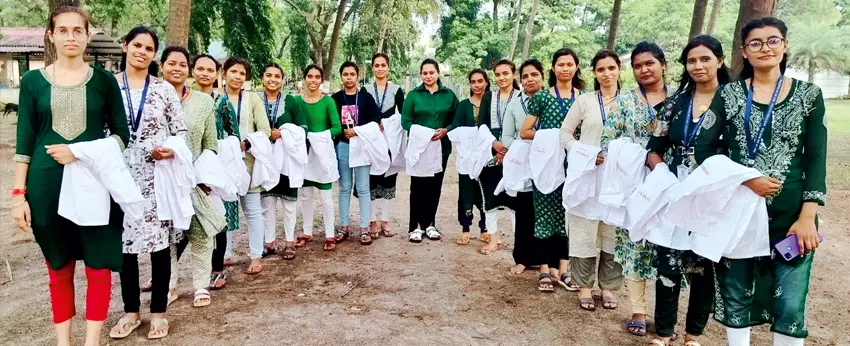
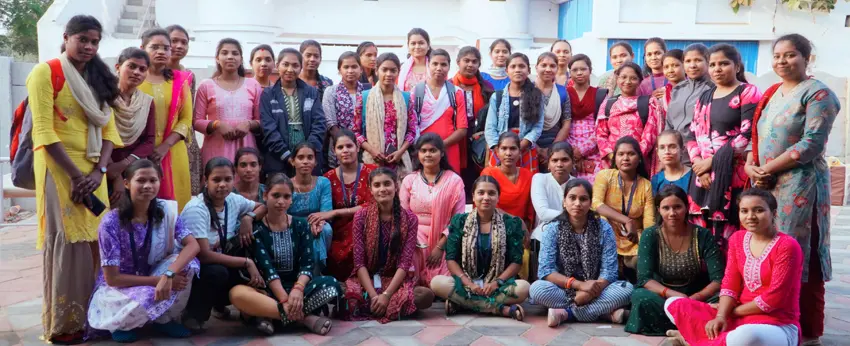
ABG Fellows are trained, community-rooted young leaders who form the skilled workforce driving the ABG model.
- Experienced: Each fellow has completed the 2-year SEP Fellowship, gaining strong field experience in education, gender, and adolescent programs.
- Community-Based Women Leaders: Many are local graduate/postgraduate women, trusted within the community and committed long term.
- Field Anchors for 10 Villages: Fellows independently manage development activities across ~10 villages, reaching 500–750 children through academic support, community mobilization, and school coordination.
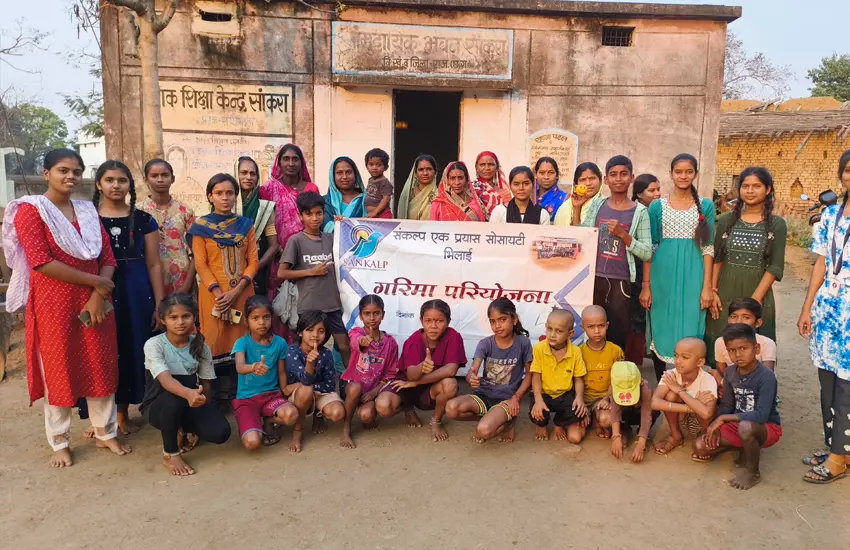
- Impact-Oriented: They have led Learning Resource Centres, Garima Manch groups, STEM activities, and village campaigns with measurable results.
- Ready to Scale: Their on-ground expertise makes them capable of leading, mentoring, and expanding ABG interventions to new areas.
ABG Fellows are not volunteers—they are trained grassroots professionals who deliver reliable, high-quality outcomes.
Key Impact by ABG Fellows
Fellows gained hands-on experience in implementing education programs, running LRCs, facilitating gender platforms, and leading community mobilization activities.
Mobilized local community resources—financial, material, and human—to support long-term program sustainability and scale-up.
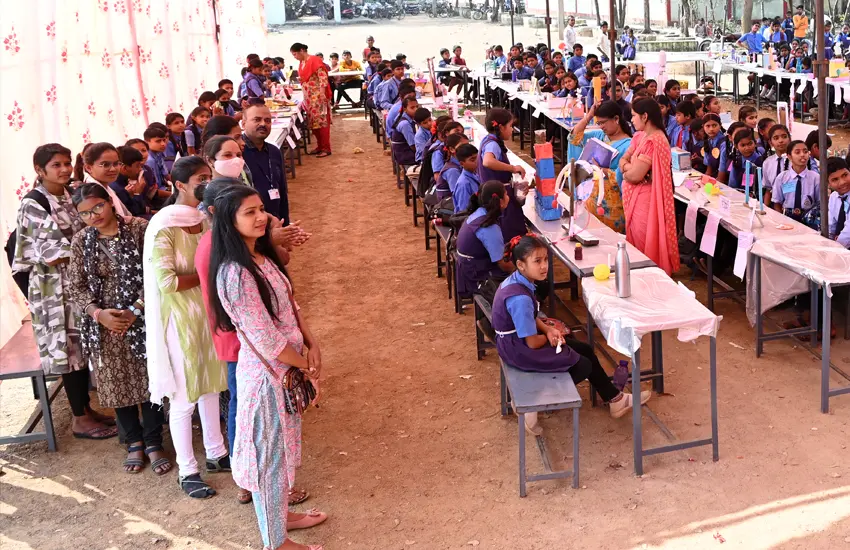
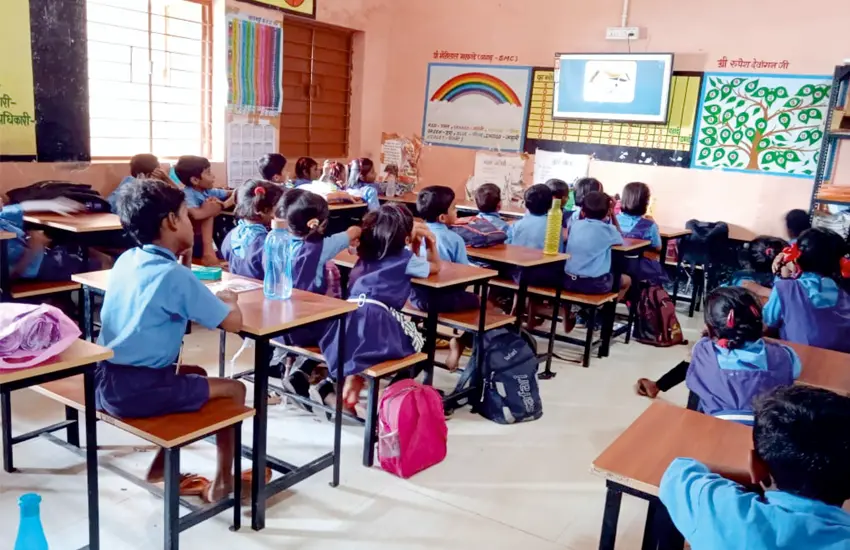
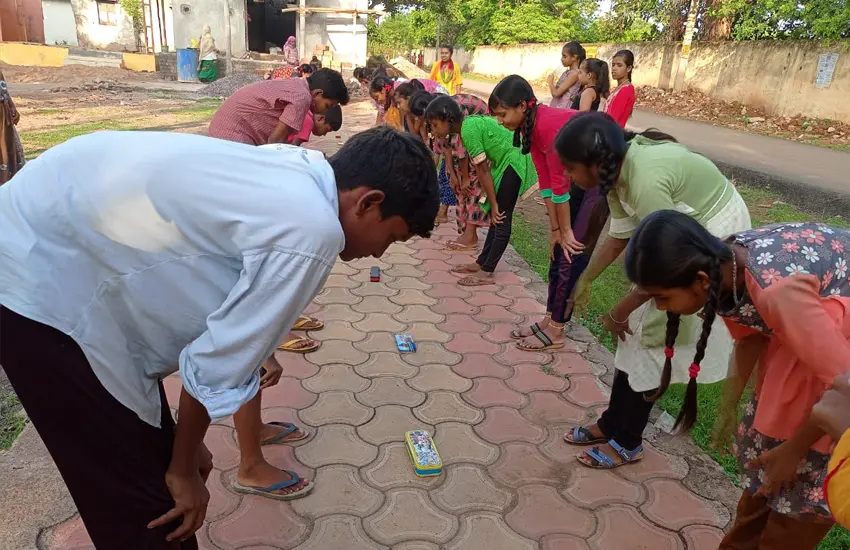
Demonstrated strong results from innovative interventions, including STEM fairs, Garima Manch, Safe School initiatives, and digital learning practices.
Enhanced parental and community engagement for children’s learning, safety, wellbeing, and holistic development.
Reduced dropout rates among school-going children and promoted awareness on health, protection, and future-readiness.
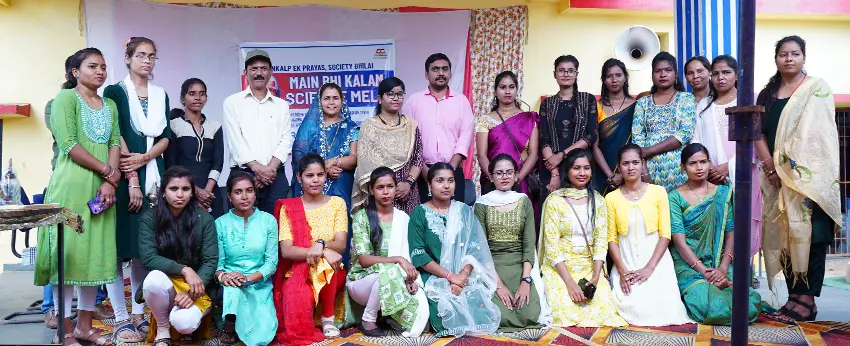
Why the ABG Fellowship is Needed
Strengthening the Rural Development Workforce
Addresses the critical shortage of trained rural youth leaders by developing competent, mission-driven fellows who can systematically tackle learning gaps, gender issues, adolescent wellbeing, and child safety at the community level.
Sustaining Impact Created by ABG Fellows
Strengthens and scales the impact created by ABG Fellows by upgrading their skills, enabling them to mentor new cohorts, and expanding successful models like LRCs, Garima Manch, STEM clubs, and village campaigns to additional geographies.
Enabling Systemic, Scalable Models
Enables long-term, scalable, and sustainable models by trained ABG Fellows who anchor, institutionalize, and locally own interventions across schools, panchayats, and communities, ensuring consistent monitoring and community-led scale-up.
Delivering Measurable, Data-Driven Outcomes
With structured training, rigorous monitoring, and field accountability, fellows produce output and outcome-level results that CSR partners can track, verify, and report.
ABG Fellowship program (2025-28)
VISION
To build Adarsh Bal Grams — ideal child-friendly villages where every child is educated, safe, confident, and future-ready, supported by empowered youth and community leadership.
MISSION
To develop a robust cadre of youth fellows equipped with thematic expertise, leadership skills, and operational capabilities needed to design, implement, and scale rural development programs across education, gender, health, and child protection.
Fellowship Structure (3-Year Program)
- Classroom learning
- Field immersion
- Practical assignments
- Project execution
- Cross-thematic exposure
- Mentorship & evaluations
The fellowship develops fellows across two major dimensions
A. Thematic Expertise
Aligned with SEP’s core programs:
- Seekh – Foundational Learning & Education
- Srijan – Adolescent Education, STEM & Future Readiness
- Garima – Gender Equality, Child Protection & Adolescent Health
B. Management & Leadership Skills
- Facilitation & communication
- Project planning & operations
- Monitoring, evaluation & dashboards
- Research & documentation
- CSR operations & compliance
Each component ensures that fellows become skilled, accountable, and capable of leading CSR-funded initiatives independently.
Curriculum Overview (Impact-Focused Summary)
1. Thematic Learning Tracks
A. SEEKH — Foundational Literacy & Learning Enhancement
Fellows are trained to:
- Conduct learning assessments
- Develop LRC academic plans
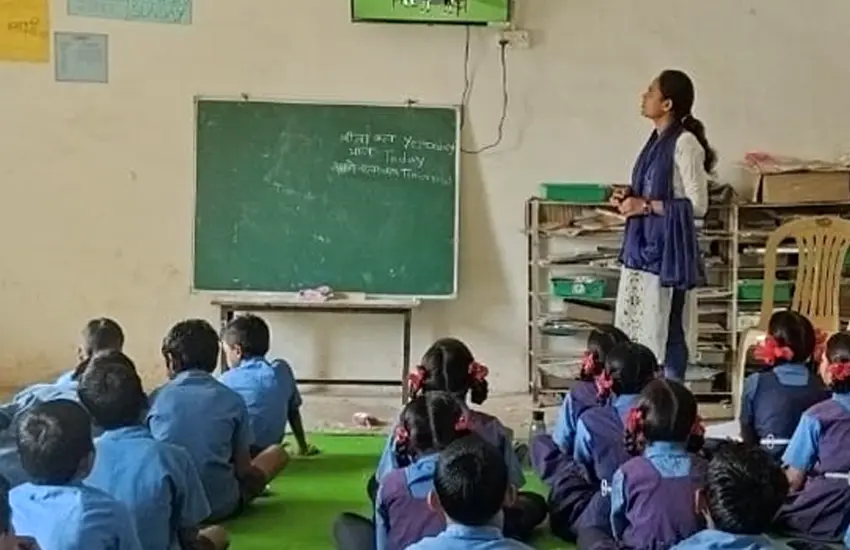
- Facilitate foundational literacy & numeracy sessions
- Integrate technology & digital TLMs
- Track FLN outcomes through dashboards
Outcome: Improved reading, math, and comprehension levels among children in Grades 1–5.
B. SRIJAN - Adolescent Education, STEM, and Future Readiness
Fellows build competencies in:
- Adolescent psychology
- Life skills & decision-making
- STEM bridge courses
- Career awareness
- Youth leadership forums
Outcome: Stronger STEM learning, reduced dropout risks, improved career readiness among adolescents.
C. GARIMA — Gender Equality & Child Protection
Fellows are equipped to:
- Conduct menstrual health sessions
- Facilitate Garima Manch
- Build safe school systems
- Identify & address CNCP and POCSO-related issues
- Lead dignity, health & gender campaigns
Outcome: Enhanced safety, agency, menstrual awareness, and gender equity for girls.
B. Business Skill Enhancement Modules
Fellows acquire sector-ready skills in:
- Module design & curriculum creation
- Data management, MIS, dashboards
- Research, surveys, and action research
- Operations & administrative systems
- CSR compliance, reporting, and proposal understanding
Outcome: Professional, reliable teams delivering structured reports, measurable results, and compliant field execution.
C. Integrated Learning & Strategic Project Execution
Fellows undertake:
- Cross-theme learning
- High-priority special projects (e.g., village campaigns, STEM fairs, learning model pilots)
- Field ownership with timelines and outcomes
Outcome: A workforce capable of operationalizing multi-theme rural development projects at scale.
Major Milestones for the ABG Fellowship Program (2025–28)
Develop a cadre of Subject Matter Experts (SMEs)
who will lead and anchor SEP’s education, gender, STEM, and child protection interventions across multiple geographies.
Build the capacity of community volunteers
and provide continuous guidance to newly inducted SEP Fellows to strengthen grassroots program delivery.
Support 300 children to succeed in competitive and scholarship examinations
including Navodaya, NMMSE, and other district-level assessments.
Expand program reach from 250 villages to 500 villages
doubling impact and ensuring deeper penetration of quality interventions.
Achieve and sustain zero dropout rates
through continuous engagement with children, schools, and parents.
Strengthen parental and community engagement
to ensure collective ownership of children’s learning, safety, and wellbeing.
Act as a technical support unit to government institutions
aiding in planning, implementation, and monitoring of child-focused initiatives.
Ensure holistic wellbeing of children
by upholding strong child safeguarding standards, psychosocial support systems, and safe community environments
Implementation Approach (Methodology)
Blended Learning (Theory + Field Practice)
- Conceptual training from experts
- Parallel field assignments in villages
Experiential & Participatory Methods
- Case studies
- Real-life problem-solving
- Community engagement techniques
Digital Integration
- Dashboards
- Google tools, Canva, mobile-based platforms
- Digital evidence of activities
Mentorship & Coaching
- One-on-one guidance
- Quarterly review workshops
- Reflection portfolios
Monitoring & Evaluation
- Monthly field reports
- Quarterly scorecards
- Semester assessments
- Annual performance reviews
- Impact documentation for CSR reporting
Input Required for ABG Fellowship
To ensure high performance and stability, fellows receive:
- Monthly stipend
- Training resources
- Mentorship support
- Digital tools
- Exposure workshops
- Field travel support
- Recognition and performance awards
Cost Per Fellows: Rs. 10139/- per month
Stakeholder Ecosystem
SEP Resource Centre
Strategy, curriculum, monitoring
SMEs
Thematic mentorship
CBOs
Local coordination
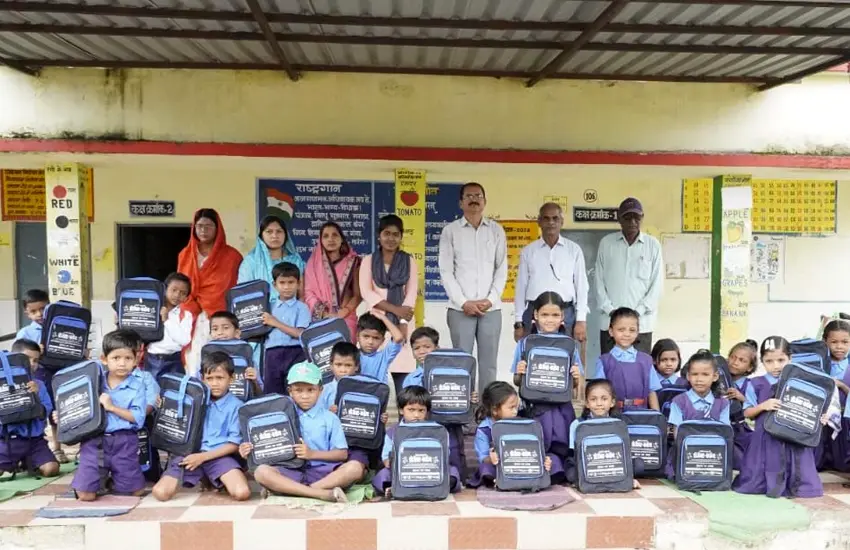
Schools & Panchayats
Implementation support
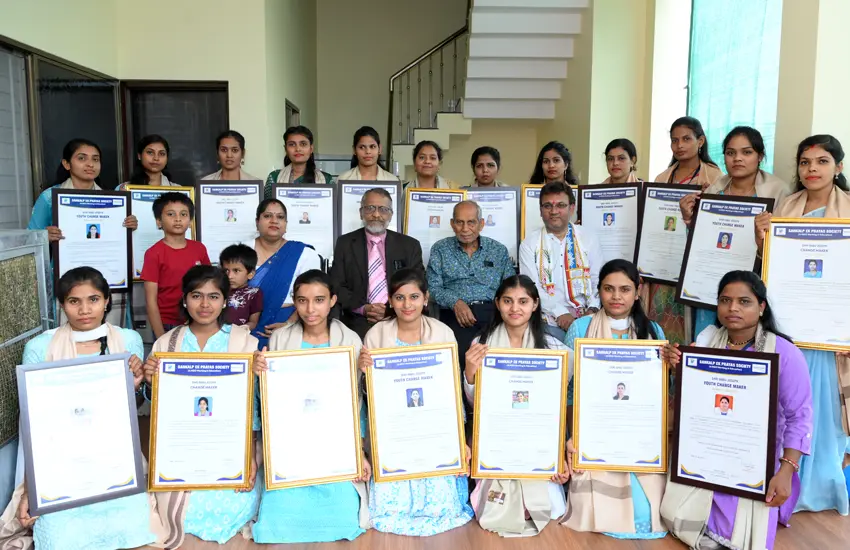
Knowledge Partners
Certifications & advanced training
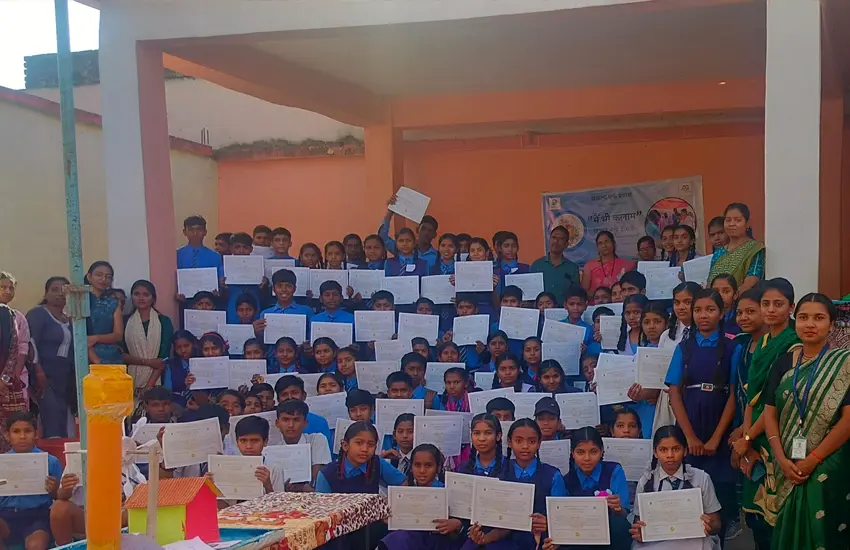
Resource Partners
Strategic program support
Call for Action
The Adarsh Bal Gram Fellowship is not just a training initiative — it is a strategic investment in human capital that strengthens rural systems, builds local leadership, and ensures long-term sustainability of development programs.
We invite to join us in:

Scaling education, gender, and adolescent empowerment programs

Strengthening village systems through trained fellows

Expanding Learning Resource Centres and Garima Manch initiatives

Building STEM & future readiness pathways for rural adolescents
Together, we can create resilient, inclusive, child-friendly communities where every child thrives and every youth leads.